Event Photo Booth vs Self-Portrait Studio: Which Business Is Right for You?
Mobile event photo booth or walk-in self-portrait studio? Compare startup costs, revenue model, customers, staffing and risks before you choose.
Also available in: Bahasa Indonesia · 中文
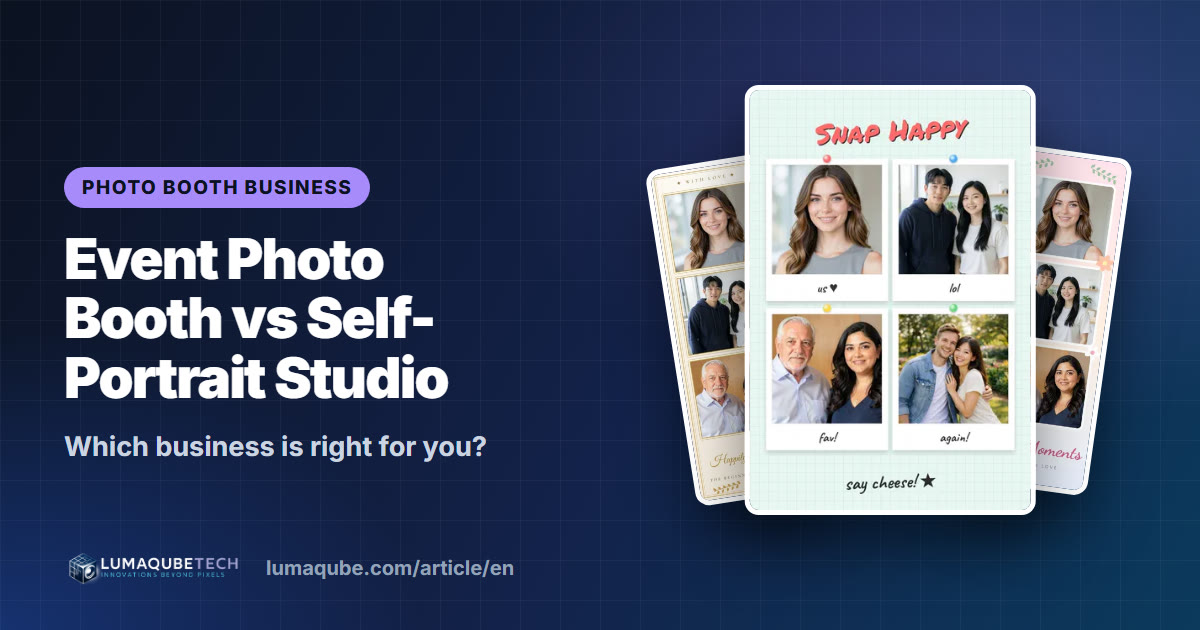
Thinking about a photo business but torn between a mobile event photo booth and a walk-in self-portrait studio? Both are growing in the US and Europe, but they run on very different economics. This guide compares them side by side (startup costs, revenue model, customers, staffing and risk) so you can choose the one that fits your goals, schedule and budget.
What is an event photo booth business?
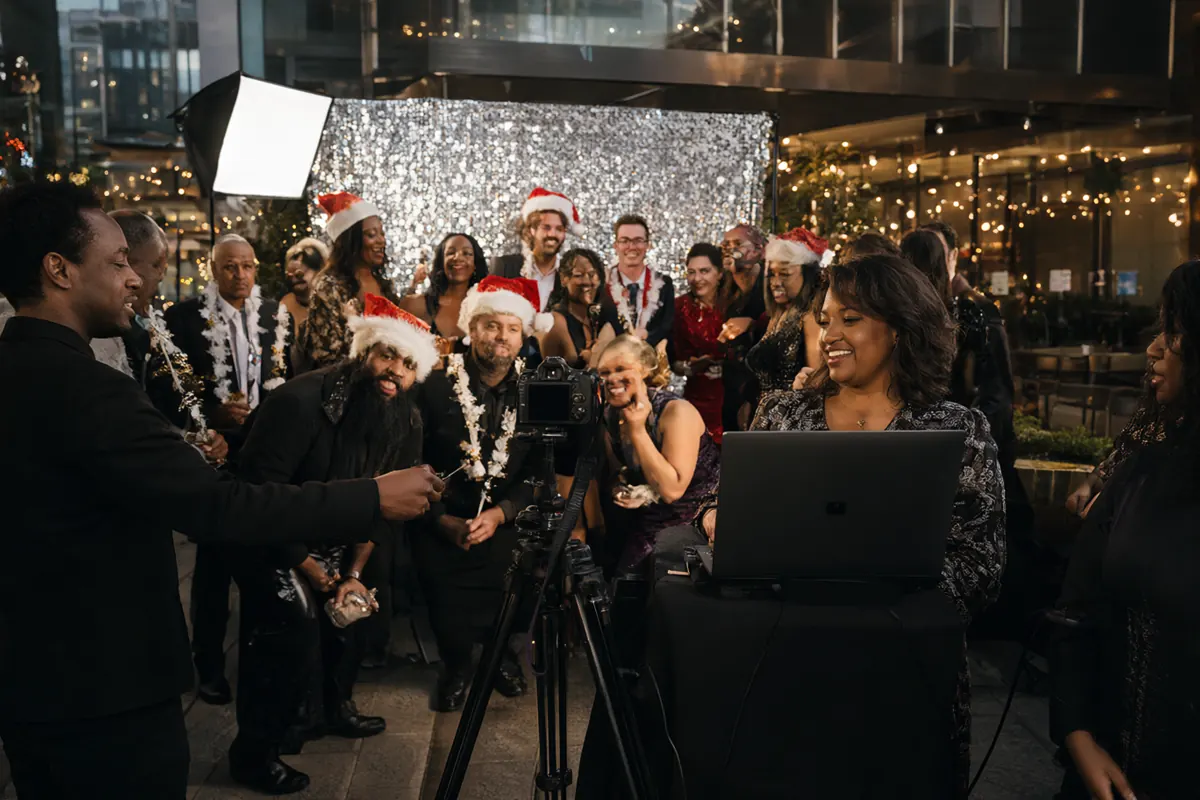
You bring the booth to the client. You load in at the venue, set up a backdrop, camera, lights and printer, and run the booth for an agreed number of hours while guests take photos with props, get prints and download their pictures by QR code.
Clients range from couples and party hosts to corporate event managers, schools and agencies running brand activations. You're paid per event, usually with a retainer at booking and the balance before the date.
What is a self-portrait studio?
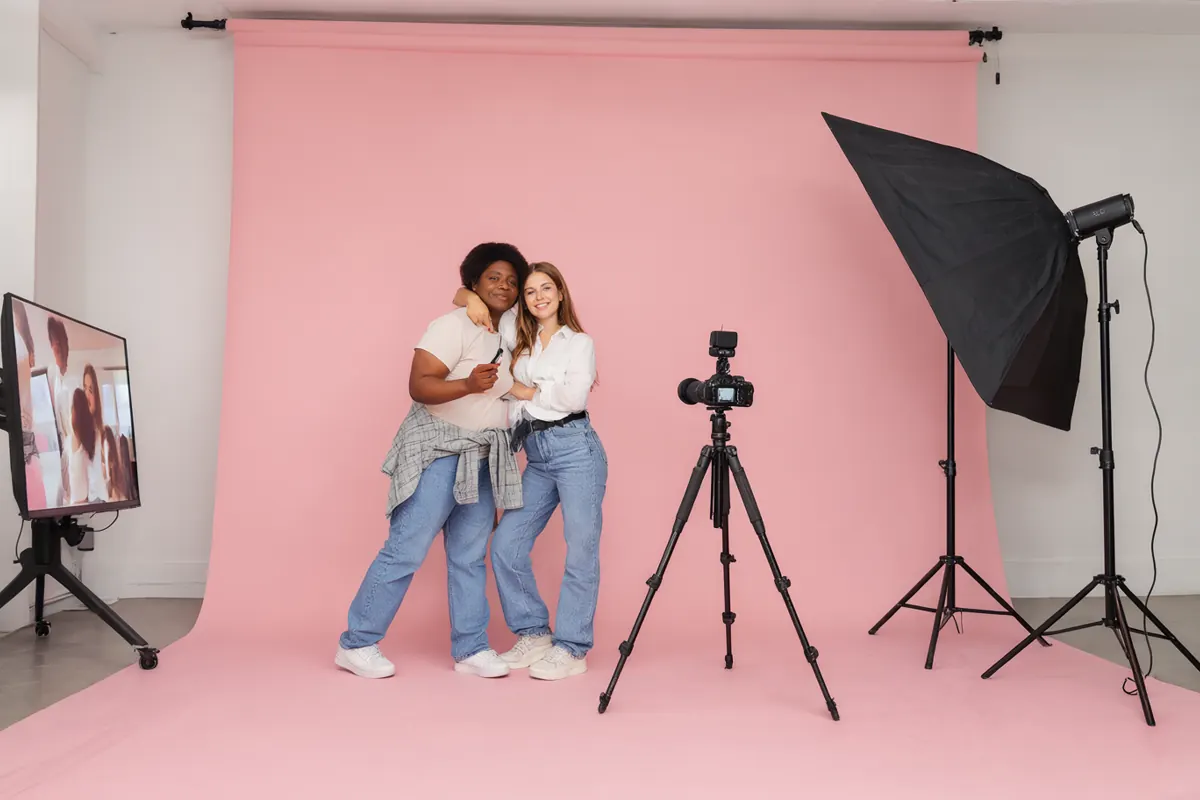
A self-portrait studio (also called a self-photo studio or selfie studio) is a styled private room in a fixed location. Customers book a session, often 15 to 30 minutes, and photograph themselves with a remote or touchscreen while watching a live view, with no photographer in the room. Korean-style photo booths with four-cut print strips, now common in shopping malls in many cities, are a close cousin.
The appeal is privacy and freedom: friends, couples, families and even pet owners can pose however they like. You earn per session, every day you're open, and location, interior design and social media drive traffic.
Event photo booth vs self-portrait studio at a glance
| Factor | Event photo booth | Self-portrait studio |
|---|---|---|
| How it works | Taken to the client's venue, run by an attendant | Customers come to you and shoot themselves |
| Revenue | Per event (multi-hour packages) | Per session, every opening day |
| Startup costs | Equipment, backdrops, props, a vehicle that fits it all | Equipment plus lease deposit, build-out, decor and furniture |
| Monthly overhead | Low: insurance, software, marketing | High: rent, utilities, staff wages, whether busy or not |
| Schedule | Evenings and weekends, seasonal peaks | Fixed opening hours, busiest on weekends and holidays |
| Main customers | Couples, planners, corporate event teams, schools | Teens, students, couples, friend groups, families |
| Keys to success | Reliability, planner and venue relationships, custom designs | Location, a shareable interior, consistent social content |
| Main risks | Seasonality, travel and load-in logistics, wear on gear | Fixed costs in slow months, lease commitments, keeping themes fresh |
An event booth suits you if…
- You enjoy parties, people and a different venue every weekend.
- You want to start with modest capital, possibly alongside a day job.
- You don't mind loading gear, driving and late nights.
- You're good at building relationships with planners, venues and corporate clients.
Your reputation rides on reliability: one event ruined by a jammed printer or a forgotten cable can cost you referrals. Use a photo booth event checklist every time.
A self-portrait studio suits you if…
- You have an eye for design and want to build a destination people visit for fun.
- You can fund a lease and carry fixed costs while the studio builds a following.
- You've found a location with foot traffic: near a campus, a mall, or a busy shopping street.
- You enjoy making content and running social channels every week.
Packages and experiences for a self-portrait studio
- Session length and group size: for example a 15-minute express session, a 30-minute standard session and a 45-minute group session, with a maximum number of people per room and a per-person surcharge above it.
- Backdrops: seamless paper in neutrals and pastels customers can choose from, swapped by staff between sessions.
- Curated props: fewer but better, such as hats, sunglasses, flowers and small chalkboards, all easy to clean.
- Clear deliverables: all digital files or a set number, how many prints are included and what extra prints cost.
- Add-ons and occasions: extra prints, frames, pet sessions, birthday parties, graduation packages, gift cards.
- Filling quiet hours: weekday pricing, student discounts, punch cards and referral rewards.
Running a studio efficiently
- Layout: a welcoming reception and waiting area, the shooting rooms, storage and clean restrooms, with a logical flow from check-in to check-out.
- Privacy: rooms that close properly, good ventilation, and sound dampening between rooms.
- Locked-in settings: set the lights and camera once so every customer gets great results without touching anything.
- Simple instructions: an illustrated card or a short video on the screen showing how to use the remote, timer and photo selection.
- Online booking with deposits or prepayment to cut no-shows.
- Daily cleaning and checks: wipe props and remotes between sessions, check batteries, paper and lights every morning.
Can you run both?
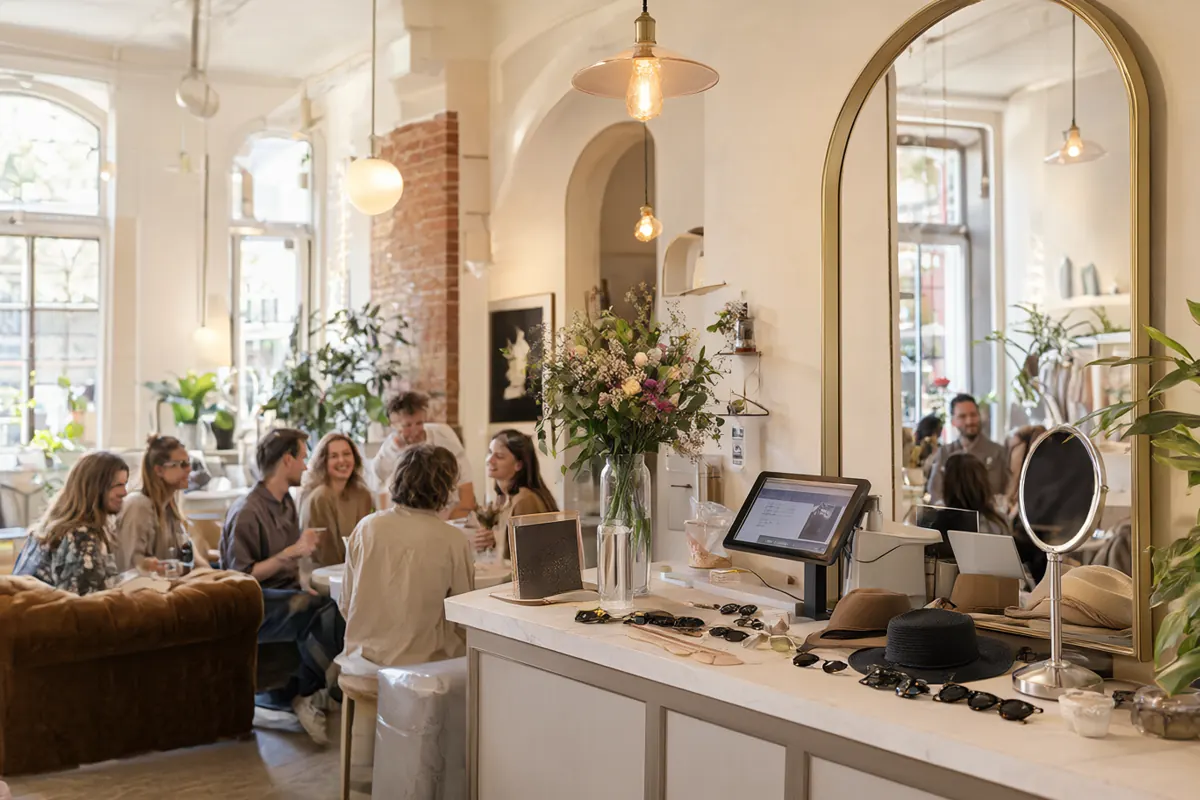
Yes, and many operators end up doing exactly that. The core equipment (camera, lights, printer, computer) and the software are the same. A common path is to start with event booths, build a portfolio and cash flow, then open a studio, or to send studio gear to private events on certain days.
Q-Booth covers both from one Windows app:
- For events: guest screens designed to match the event, custom frames and collages, printing, and QR codes for downloads.
- For unattended studios: Kiosk mode with voucher codes before each session (sell the codes at your counter or online), touchscreen theme selection, and a report to count sessions.
- For both: Canon cameras, webcams or GoPro, plus AI features such as face swap and background replacement to stand out.
See Kiosk, payment and vouchers in the Help Center, or try Q-Booth free.
Frequently asked questions
Which is more profitable, an event booth or a self-portrait studio?
There's no universal answer. Event booths earn more per booking with low overhead but are seasonal. Studios earn every day but must cover rent and wages every month. Run both scenarios with your local numbers using the pricing and break-even method.
Do self-portrait studios need staff?
A host at the front desk makes a big difference: greeting, explaining the remote, resetting rooms and helping when something goes wrong. Payment and theme selection can be self-service through a kiosk to keep staffing lean.
What's the difference between a photo booth and a self-portrait studio?
A photo booth is usually a compact unit that prints a strip or a photo quickly, at events or in public places. A self-portrait studio is a larger styled room where customers take many photos over a longer session and choose their favorites.
Ready to run your own photo booth?
Q-Booth runs photo, collage, video and AI photo booths from one Windows app. Try it free before you buy.
Learn Q-Booth
Step-by-step guides and video tutorials for every kind of booth.